


Machine Learning.
Delivering innovative Machine Learning solutions – ranging from infrastructure and pipelines to customer-facing products. Our team of experienced machine learning engineers will work closely with you to identify and implement the right machine learning solutions. It will push the boundaries of innovation in your organization.
Machine Learning Life Cycle.
At Pushti, we provide Artificial intelligence (AI) services that imitates human natural intelligence using Machine Learning (ML) technologies. ML bringshuman-level knowledge to Computer systems by training the systems forhigh quality predictions.
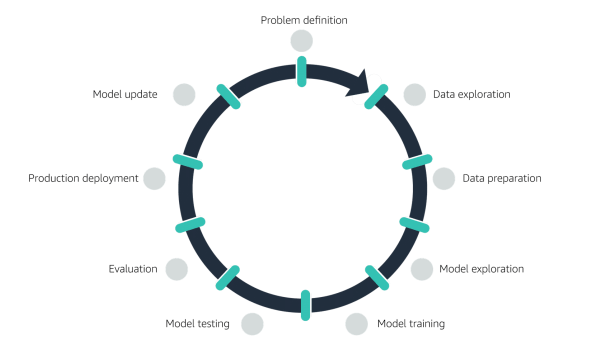
We follow industry standard practice of ML Lifecycle for building ML Applications based on thefollowing steps:
We identify a clear idea of the customer’s problem and the business value to be gained by solving that problem. We measure business value against specific business objectives and success criteria. Involve all necessary stakeholders to discuss the same.
In this phase, we frame the business problem as a machine learning problem, based on what is observed and what should be predicted (known as a label or target variable).
Our team determines what to predict and how performance and error metrics must be optimized as a key step in this phase.
For training an accurate ML model we make data processing to convert data into a usable format. In the data processing steps we follow the steps of
- Collecting data
- Preparing data
- Feature engineering - which is the process of creating, transforming, extracting, and selecting variables from data.
In this phase, we cover model development activitiesthat consists of
- Model building - creating a CI/CD pipeline that automates the build
- Training
- Tuning
After a model is trained, tuned, evaluated and validated, we deploy it into production. It facilitates customers to make predictions and inferences against the model.
The customer’s Model monitoring practice ensures that the model is maintaining a desired level of performance through early detections and mitigations.
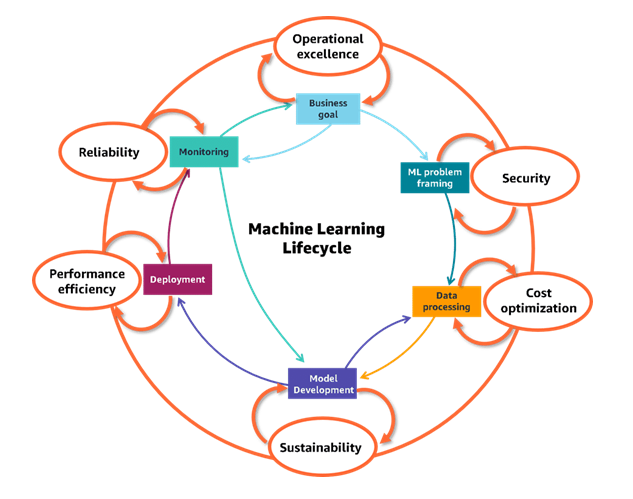
An example of ML application building practice at Pushti.
Following example of a Convenience store depicts the industry standard practice followed by Pushti team, for building ML application for the store.
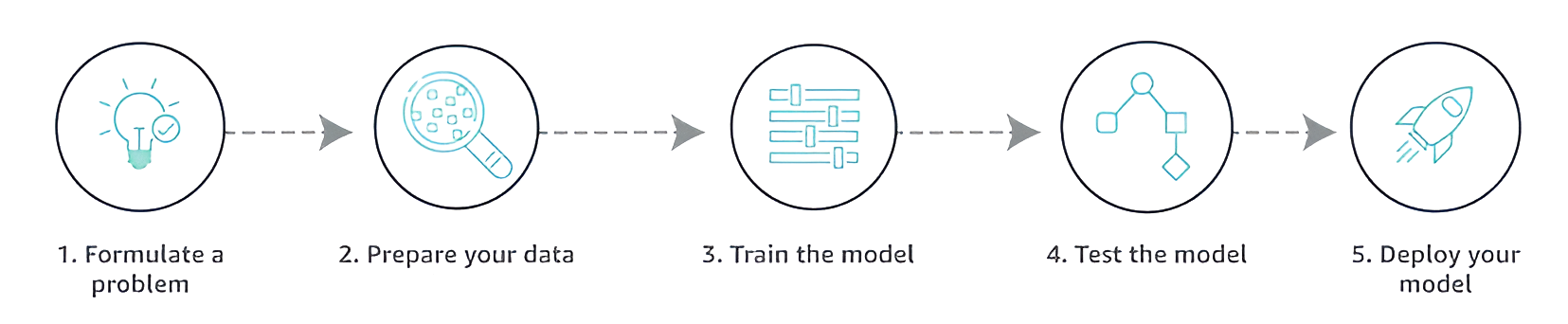
Formulate a Problem : Framed the store problem by understanding following store activities
-
- How the convenience store operates
- How do customers enter the store and start shopping
- Picking up of the store items
- Customers waiting in line for a cashier, and then exit the store
- Received the major predictions / expectations from the client as follows -
- Predictions of key items sale Getting pattern of items purchase of store customers
- Store customers categorization based on frequency of visits, average no. of items they purchase
Prepare Data : We collected and cleaned the data based on
-
- How the store customers visualize and recognize the items
- Data was also pulled from cameras to track customers' actions inside the store
- Customer's past purchase history data also used to identify an item when it is picked up
Method for making prediction
- Based on the data collected, models were built and trained to predict the key items stock to be maintained in the store at defined intervals
Development
After a model was trained, tuned, evaluated and validated, we integrated it with core Store application and deploy it in production. Presently, it facilitates customers to make predictions and inferences against the model.
Monitoring
Based on the industry trends, the store operations may change. Also based on the market conditions, the business objectives of the stores may get revised.
To facilitate such business changes, we follow Model monitoring practice for the assurance that the model is maintaining a desired level of performance through early detections and mitigations.
Please feel free to call us anytime to get addressed your business problem, challenges that Machine Learning practice can mitigate.